Navigating the evolving logistics real estate landscape
The world of logistics real estate is in constant flux, presenting both challenges and opportunities for businesses seeking the perfect operational hub.
Industry leaders are highlighting a significant shift: a surge in 'hidden vacancy' within existing warehouses, a trend that's impacting new development projects and requiring a more thoughtful approach to leasing decisions.
The challenge of 'hidden vacancy'
Bart Vanderhoydonck, Associate at Cushman & Wakefield, recently revealed during the Transport & Logistics Antwerp exhibition that a substantial amount of 'hidden vacancy' currently exists. "Logistics operators' volumes have decreased considerably, leaving quite a bit of available space in existing warehouses.
As a result, new projects are struggling to take off," he stated. This phenomenon means that while new construction might be slow, there's potential for existing, underutilized spaces to become available, influencing market dynamics and pricing.
Strategic leasing: more than just rent
For businesses looking to rent warehouse or logistics space, the decision is a critical one that extends far beyond the monthly rent. Alongside Andreas Vermost, Development Director at WDP, Bart Vanderhoydonck provided invaluable practical advice for tenants, urging a comprehensive analysis before committing to a lease.
A 9-year commitment: plan for the future
Bart Vanderhoydonck emphasized, "Thoroughly analyze your activities before deciding what to rent and where. With a typical classic lease in Belgium lasting nine years, the decision you make today will determine your company's development for years to come." This highlights the long-term impact of your real estate choice on your business strategy and growth trajectory.
Key factors for a smart logistics real estate decision
To navigate this complex environment, both experts recommend a deep dive into various aspects of your business and the market:
Deep dive into operations: Companies must carefully examine the evolution of their logistics processes. Understanding future needs, technological advancements, and operational efficiencies will guide the type of space and features required.
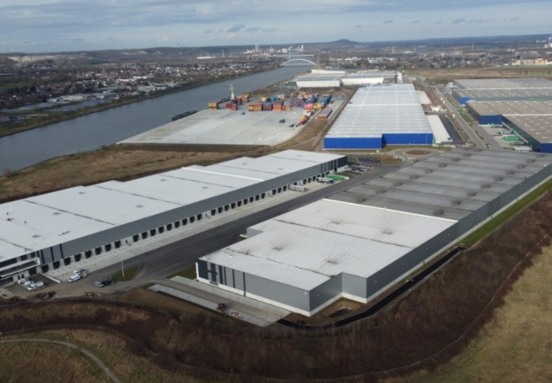
Embrace or assess multimodality: Consider the role of multimodal transport in your supply chain. "If you wish to organize your goods flows multimodally, choose a suitable location. Otherwise, do not unnecessarily invest in a costly multimodal site," advised Bart Vanderhoydonck. A strategic location can offer significant advantages, but only if it aligns with your operational model.
Beyond rent: the total cost of ownership (TCO): Andreas Vermost stressed the importance of an in-depth internal and external analysis, including a holistic view of the Total Cost of Ownership (TCO). This encompasses more than just the lease cost, extending to energy management, sustainability initiatives, operational efficiency, and the strategic advantages of the location.
Stakeholder expectations: An essential part of the analysis involves understanding the expectations of key stakeholders, including banks, governments, and the local community. Compliance, regulatory foresight, and community relations can significantly impact long-term operational viability.
Partnering for long-term success
Ultimately, the experts recommend an anticipatory approach. "Anticipate and choose a building and a partner capable of supporting you in a long-term vision," advised Bart Vanderhoydonck. Selecting a landlord or developer who understands your business trajectory and can adapt to future needs is crucial for sustained success in the ever-evolving logistics real estate sector.
Source: transportmedia.be