Modern logistics demands: a case study from DHL Aviation's Brussels hub
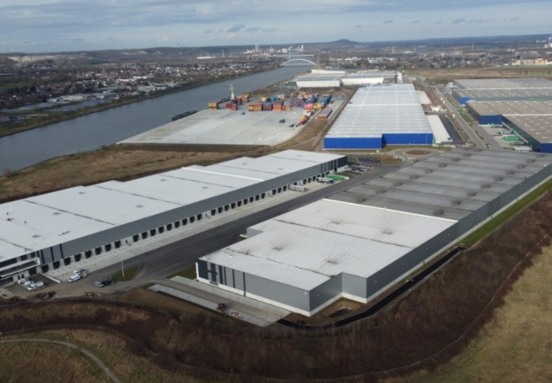
DHL Aviation, a key player in global express logistics, operates a vast and time-critical hub in Brussels. This facility dispatches urgent shipments, from pharmaceuticals to mechanical parts, to over 220 countries. In such an intense environment, reliability, safety, and sustainability are paramount for seamless operations, especially within their expansive 31,500 m² warehouse situated on a 10-hectare site.
Embracing lithium-ion: a leap in efficiency and space optimization
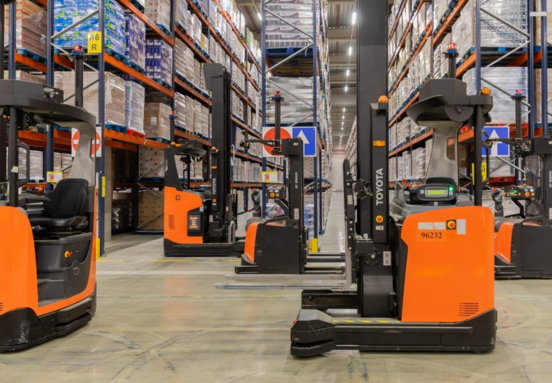
Faced with an expiring leasing contract, DHL Aviation seized the opportunity to significantly upgrade its internal fleet, selecting Still for 117 new lithium-ion (Li-ion) forklifts. This transition was driven by the need for more compact, efficient equipment that could maximize space utilization and perform tasks with greater precision.
A key advantage of the Li-ion fleet is the elimination of a central battery charging and exchange zone. Li-ion batteries can be charged decentrally, wherever convenient. This innovation drastically reduces internal transport needs, enhances safety, and, crucially, liberates valuable floor space – a significant benefit in any logistics facility where every square meter counts.
Significant energy savings and peak load management
The adoption of the new Still Li-ion fleet, coupled with 93 new low-consumption chargers, has resulted in an impressive 16% reduction in energy consumption for DHL Aviation. Beyond just equipment, DHL sought to push the boundaries of energy efficiency further. This led to the joint development of a sophisticated energy management and control system with Still, integrating Still's Smart Energy Unit.
The Smart Energy Unit plays a pivotal role in intelligently managing energy consumption. Connected to DHL's Energy Management System (EMS), it addresses the critical challenge of reducing peak load charges associated with battery recharging, especially when combined with other energy-intensive operations like the simultaneous startup of numerous conveyors. By optimizing power distribution and prioritizing charging for the lowest-charged batteries, the system ensures continuous operation while staying within agreed energy limits with suppliers, leading to substantial cost savings.
Elevated safety and operational agility
The new fleet and energy ecosystem have not only brought economic and environmental benefits but also significantly improved operational safety and flexibility. Features like intelligent cameras for person detection and contour lighting enhance visibility and intervention capabilities. The Li-ion fleet offers improved availability and greater operational flexibility, allowing DHL Aviation to maintain its rigorous, time-critical service standards with enhanced reliability and ergonomics, including automated mast positioning for precise air freight weighing.
Building future-ready warehouses: lessons from DHL Aviation
DHL Aviation's investment underscores a vital trend in modern logistics: the integration of advanced technology for unparalleled efficiency, sustainability, and operational excellence. For businesses evaluating office or warehouse space, this case study highlights the importance of facilities that can support such innovative infrastructure – from robust electrical systems capable of handling smart energy units to layouts that benefit from decentralized charging. Embracing these technologies can transform logistical challenges into competitive advantages, making your operations leaner, greener, and more productive.
Source: transportmedia.be